Many construction projects run into trouble because the budget is based on rough guesses instead of real project details. When the early numbers are vague, it becomes harder to plan spending, manage risk, and make confident decisions. That is why accurate budgeting should begin before construction starts, not after costs begin to rise.
This is where a building cost estimator adds real value. By reviewing the actual scope, quantities, and rates, they help create a more realistic budget from the start. In simple terms, this supports stronger project budget planning before construction, better pre-construction budgeting, and clearer financial planning for construction. That is how a building cost estimator helps turn early ideas into a budget you can actually use.
What Is a Building Estimator?
A building estimator is the person who works out how much a construction project is likely to cost before the work starts. They review the plans, scope, materials, labour, and other project details to prepare a clear cost estimate.
This helps owners, builders, and developers plan the budget with more confidence. Instead of relying on rough numbers, they get a clearer view of what the project may cost and where the money will go.
In simple terms, a building estimator helps turn building plans into a realistic budget. That is why they play an important role in early project planning.
What a Building Cost Estimator Does
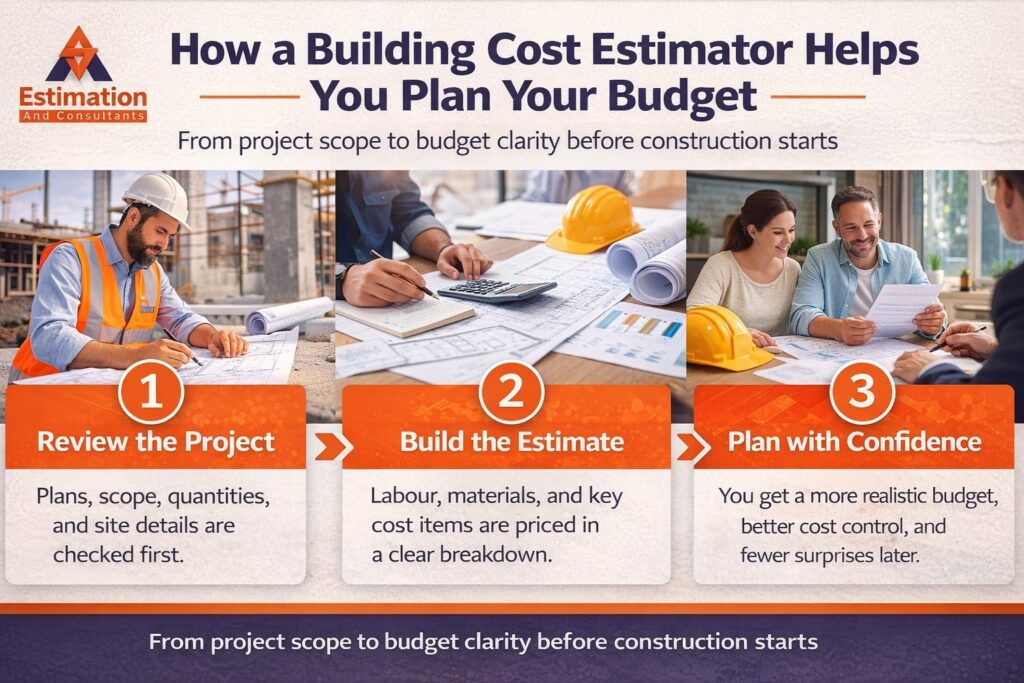
A building cost estimator helps turn plans into a realistic budget before construction starts. They review the scope, measure quantities, check labour and material pricing, and prepare a structured estimate. This gives clients clearer cost direction and supports better project budget planning from the start.
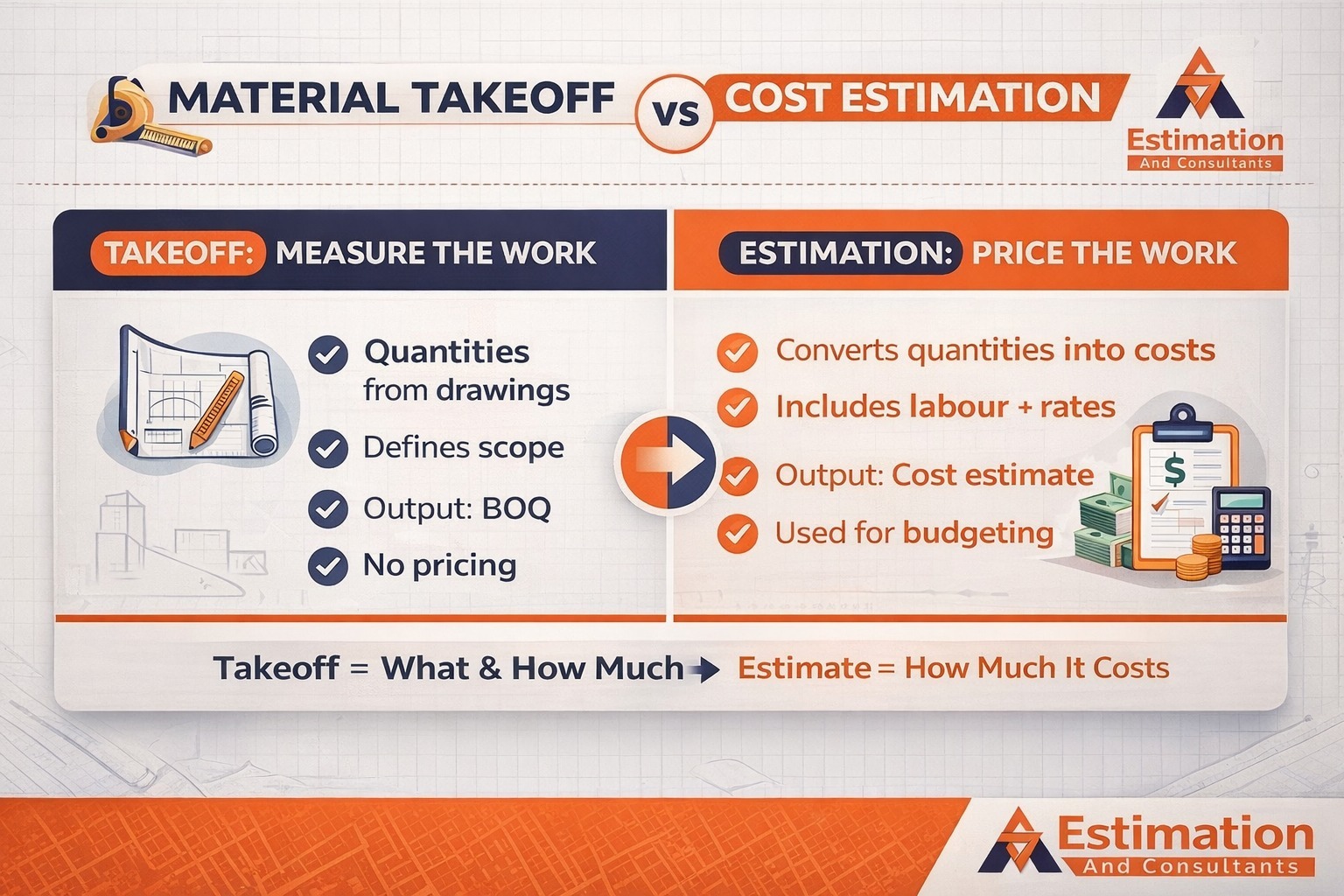
In simple terms, a pre-construction estimator helps you understand what the job may cost before you commit too much money. Their work supports accurate building cost estimates, stronger quantity takeoff and budget planning, and a more reliable path toward financial control.
- Reviews Plans Carefully
A building cost estimator studies the drawings, specifications, and full scope of work before pricing begins. This drawing review helps them understand what is included, what may be missing, and how the project should be measured properly. - Checks Scope Before Pricing
Scope-based estimating is a key part of the job. The estimator looks at the actual work involved, so the estimate reflects the real project. This step improves scope validation and reduces the risk of missing major cost items. - Measures Quantities
The estimator carries out quantity takeoff to work out how much material and labour the project may need. This helps build a more realistic estimate and gives the client a better starting point for budget planning. - Prices, Labour and Materials
A cost planning specialist applies labour and material pricing to the measured work. Instead of using rough figures, they build the estimate around real cost inputs, which helps improve budget accuracy and cost forecasting. - Creates a Detailed Cost Breakdown
Rather than giving one lump sum, the estimator prepares a detailed building estimate breakdown. This line-item estimate shows where the money is likely to go and makes the budget easier to understand and manage. - Supports Better Budget Decisions
An estimating consultant gives owners and builders a clearer financial picture before work begins. With a proper cost schedule and build cost breakdown, it becomes easier to plan spending, compare options, and avoid budget surprises later.
How a Cost Estimator Improves Your Project Budget Plan
A cost estimator improves your budget plan by replacing guesswork with real numbers. Instead of relying on rough ideas, you get a clearer picture of likely costs before the project begins. That leads to better project budget planning, stronger cost control, and more confident decisions.
Good estimating also helps you plan money in the right places. With better project cost forecasting, you can build a more realistic construction budget, manage spending properly, and reduce the chance of cost pressure later. It is one of the simplest ways to improve budget accuracy before construction starts.
- Sets a Realistic Budget
A detailed estimate helps define what the project is likely to cost before work begins. This supports project budget planning before construction and gives owners a stronger base for financial planning. Instead of using rough figures, they get accurate building cost estimates that make the build budget setup more practical and easier to trust. - Improves Budget Accuracy
One of the biggest benefits of estimate-based budgeting is budget accuracy improvement. A cost estimator studies the scope, quantities, and pricing in detail, which helps reduce gaps in the budget. This creates a more realistic project budget and gives the owner better cost certainty from the early planning stage. - Forecasts Labour and Material Costs
A cost estimator helps with labour and material budget forecasting by showing how money is likely to be spent across trades, supplies, and major project items. This type of project cost forecasting supports construction cost planning for new builds and makes resource budget planning more organised and easier to manage. - Helps Allocate Spending Properly
When the estimate is broken into cost categories, it becomes easier to plan where the budget should go. Labour, materials, and other work items can be priced and tracked more clearly. This improves build cost allocation and helps owners avoid spending too much in one area too early. - Supports Better Financial Decisions
Good estimating supports better financial planning for construction because it gives owners clearer numbers before they commit. A finance-ready budget helps with funding decisions, staged spending, and overall cost planning support. It also gives more confidence when reviewing options, adjusting scope, or planning the next step. - Strengthens Cost Control Strategy
Construction budget planning with a cost estimator gives the project a stronger starting point. With budget control through accurate estimating, owners can spot risks earlier, prepare for likely costs, and reduce the chance of budget surprises. This makes the whole budget plan more stable and easier to manage from start to finish.
Budget Problems a Building Cost Estimator Helps Prevent
A building cost estimator helps reduce risk before construction begins. Instead of relying on rough numbers, the project starts with a clearer budget based on real scope, pricing, and planning. This helps improve estimate validation, supports a stronger cost control strategy, and lowers the chance of common budgeting failures.
Good estimating also helps with budget control through accurate estimating. When costs are checked early, it becomes easier to avoid funding gaps, manage cost risk, and plan with more confidence. That is a big part of how estimators prevent budget blowouts and support better project budget planning from the start.
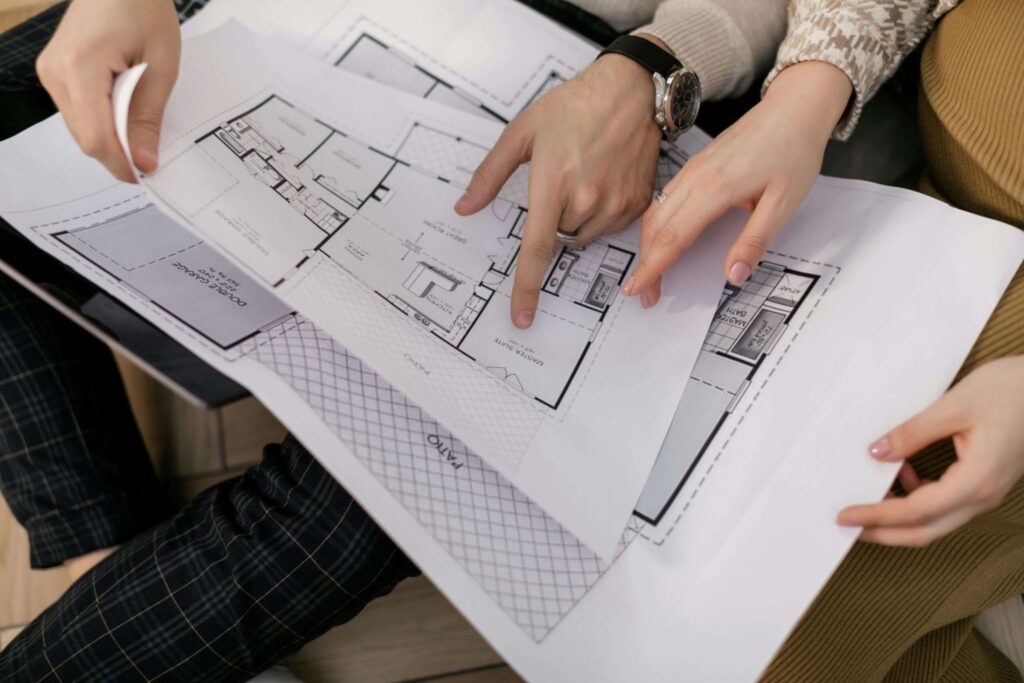
Underestimating the Build Cost
One of the most common budget problems is starting with a number that is too low. This usually happens when important work items are missed, quantities are not measured properly, or the scope is not reviewed in enough detail. A weak estimate may look fine at first, but it often creates pressure once real costs begin to show.
This is where quantity takeoff, scope-based estimating, and estimate validation become very important. A building cost estimator checks the project more closely and prepares accurate building cost estimates based on what the job actually needs. A detailed building estimate breakdown helps reduce missed cost items, lower underbudget risk, and give the owner a more reliable starting point.
Missing Hidden Costs and Allowances
Not all budget problems come from the main build items. Some come from the smaller or less visible costs that are easy to overlook early on. These may include preliminaries, waste, site conditions, access issues, price escalation, and other allowance planning items that affect the final cost.
A building cost estimator helps manage these hidden construction costs by using contingency planning and feasibility cost analysis during the early stage. This supports better financial planning for construction because the budget is not just built around the obvious items. It also includes room for cost risk items that could affect the project later.
Overspending During Construction
Overspending during construction often starts with weak planning before construction. If the original budget is unrealistic, the project is more likely to run into trouble once work begins. Costs rise, changes happen, and the budget becomes harder to control because the first estimate did not give enough clarity.
A stronger estimate improves budget blowout prevention by giving the owner a better view of likely costs from the start. This supports budget accuracy improvement and helps create a more practical cost control strategy. In simple terms, better front-end budgeting leads to better budget stability and lowers the risk of overspend as the project moves forward.
When to Use a Building Cost Estimator
The best time to use a building cost estimator is before major decisions are locked in. Once drawings are finished, quotes are back, or construction has started, there is less room to control costs. Early estimating gives you better numbers while changes are still easier and cheaper to make.
This is why pre-construction budgeting matters so much. A building cost estimator helps with feasibility cost analysis, estimate validation, and tender pricing support before costs start rising. In simple terms, early cost advice gives the project a stronger financial base and helps avoid expensive surprises later.
At the Feasibility Stage
The feasibility stage is one of the best times to bring in a building cost estimator. At this point, the main goal is to test whether the project is financially realistic before too much time or money is spent. A feasibility estimate gives the owner a clearer picture of what the build may cost and whether the idea fits the available budget.
This kind of feasibility budgeting for construction projects helps with early budget testing and smarter project budget planning before construction. Instead of moving forward on hope alone, the client gets a more practical view of the numbers. That makes it easier to decide whether to proceed, adjust the scope, or rethink the plan before deeper costs begin.
During Design Development
A building cost estimator is also useful during design development, when the plans are still changing, and the budget needs to stay in line. As layouts, finishes, and construction details evolve, costs can shift quickly. Without regular budget checks, the design may move beyond what the client can actually afford.
This is where scope-based estimating, project cost forecasting, and estimate validation become very helpful. An evolving estimate keeps the design tied to the budget and supports better budget alignment as decisions are made. In simple terms, this stage is about making sure the design still works financially, not just technically.
Before Tender
Before tender is another key time to use a building cost estimator. At this stage, the estimate becomes a benchmark for reviewing builder quotes and checking whether pricing is fair. A building budget estimate before tender helps the owner compare offers with more confidence instead of accepting numbers without a clear reference point.
This is where tender pricing support and pricing validation add real value. A pre-tender estimate supports procurement decisions and helps reduce the risk of overpaying or choosing a quote that looks low but misses key items. It gives the project a stronger starting point before contracts are signed and commitments are made.
When a Building Cost Estimator Adds the Most Value
| Project Stage | What the Estimator Helps With | Budget Benefit |
| Feasibility Stage | Reviews the early idea and checks if the project is financially realistic | Helps set an early budget and avoid moving forward with the wrong cost expectations |
| Design Development | Tracks how design changes affect pricing as plans become more detailed | Keeps the design aligned with the available budget |
| Before Tender | Prepares or reviews a building budget estimate before tender | Gives a benchmark for comparing builder quotes and supports better pricing validation |
| Pre-Construction Planning | Builds a clearer estimate using scope, quantities, labour, and material rates | Supports stronger project budget planning before construction starts |
| Before Finance or Approval | Provides cost clarity for owners, lenders, or decision-makers | Improves financial planning for construction and helps with funding confidence |
| Before Major Scope Changes | Checks how changes in size, finishes, or materials will affect the total cost | Helps control budget risk and reduce the chance of overspending later |
How Budget Planning Changes by Project Type
Budget planning is not the same for every project. A small home renovation and a larger commercial build may both need cost estimating, but the way the budget is planned will change based on size, complexity, risk, and decision-making needs. That is why a building cost estimator adjusts the approach to suit the project.
In simple terms, residential construction budgeting is usually more focused on affordability and owner choices, while commercial construction budgeting often involves larger scopes, procurement stages, and tighter package control. This is where a cost estimator for residential projects and a cost estimator for commercial projects each bring different value.
Residential Projects
Residential projects usually focus on keeping the build within a manageable budget while still meeting the owner’s goals. Whether it is a new home, extension, or renovation, the budget often needs to balance essential work with upgrade choices, finish selections, and available finance. That is why building cost estimating for homeowners needs to be practical and easy to follow.
A cost estimator for residential projects helps create a house budget estimate that supports better financial planning for construction. This makes home build costing more useful during the early stage, especially when the owner is deciding what to include, what to stage later, and how to avoid overspending. Good residential budget support gives homeowners more confidence before work begins.
Commercial Projects
Commercial projects usually involve more scale, more moving parts, and more structured cost planning. The work may be divided into trade packages, tender stages, and procurement decisions, which means the budget has to do more than just show a total. It needs to support project cost forecasting, package-level control, and clearer financial planning across the full build.
A cost estimator for commercial projects helps with commercial cost planning by preparing a commercial build estimate that can be used for tender pricing support, budget tracking, and development cost planning. This type of estimating is often more detailed because the risks, coordination, and financial exposure are greater. For that reason, commercial budgeting usually needs a deeper and more structured approach than residential work.
FAQs
A building cost estimator works out how much a construction project is likely to cost before the work starts. A building cost estimator reviews the plans, scope, quantities, labour, materials, and other cost items so the budget is based on real figures instead of guesswork.
You should hire a building cost estimator as early as possible, ideally before final design or tender. You should hire a building cost estimator early because early cost advice helps you test affordability, adjust the scope, and avoid bigger budget problems later.
Yes, a building cost estimator can help prevent budget blowouts by identifying likely costs before construction begins. A building cost estimator can help prevent budget blowouts by improving estimate accuracy, allowing for hidden costs, and giving you a clearer budget to work from.
No, a building cost estimator is not only useful for large projects. A building cost estimator is also helpful for home builds, renovations, and extensions because even smaller projects can run into cost problems if the budget is not planned properly.
The difference between a building cost estimator and a builder’s quote is that a building cost estimator gives an independent cost assessment, while a builder’s quote is a price to carry out the work. The difference matters because an estimate helps you check whether quoted prices are realistic.
Conclusion
A building cost estimator is one of the smartest professionals to involve early in any project. Their work gives you clearer numbers, better project budget planning, and stronger financial planning for construction before major decisions are locked in. Instead of relying on rough figures, you get a budget built on real scope, pricing, and structure.
That is how a building cost estimator helps reduce budget risk and support better build cost control from the start. If you want smarter project budgeting and fewer surprises later, early estimating is one of the best steps you can take before construction begins.