Pre-construction cost estimating services are essential for any construction project. These services involve accurately forecasting the costs involved in a project before construction begins. By providing an early-stage construction cost estimate, these estimates help in planning the project’s budget effectively, ensuring that it stays within financial limits. Proper cost estimation is key to identifying potential expenses and mitigating risks, allowing businesses to make informed decisions and avoid unexpected financial challenges. Pre-construction estimating services are not just about budgeting—they set the foundation for a successful, on-time, and cost-effective construction process.
By using pre-construction cost estimating services, you can confidently forecast project expenses and plan accordingly, leading to a smoother, more predictable build. Whether it’s through early-stage budget planning or detailed cost forecasting, these services are critical to controlling the financial aspects of your project from start to finish.
The Importance of Pre-Construction Estimating in Your Budget
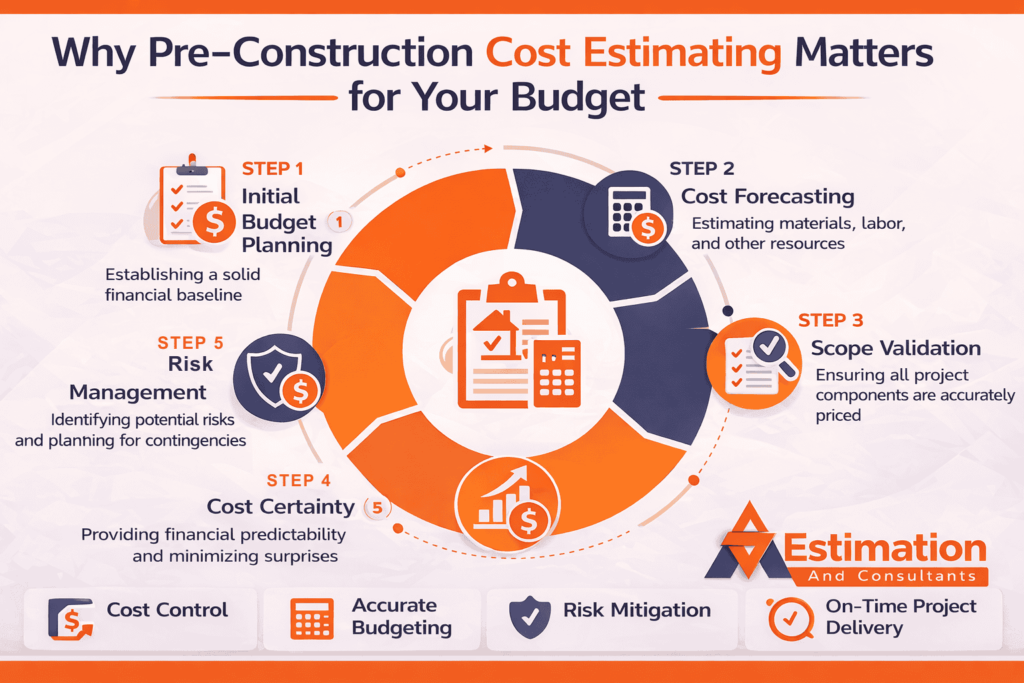
Accurate pre-construction cost estimating is essential to ensuring your construction project stays within budget. By identifying potential costs and risks upfront, businesses can plan more effectively, avoid financial surprises, and prevent overruns. With early-stage cost estimates, you gain clarity on expenses, making it easier to set realistic financial goals and manage the project efficiently.
Setting Realistic Budgets with Accurate Cost Estimates
Pre-construction cost estimating services help create a clear budget by providing a detailed breakdown of costs for labor, materials, and other project elements. This clarity ensures that the budget aligns with project needs. By using cost models and value engineering, businesses can avoid underestimating expenses and set achievable goals from the start.
Key Benefits:
- Feasibility cost modelling helps provide an accurate financial roadmap.
- Scope validation ensures that the project is correctly priced before committing to the build.
- Value engineering allows for cost optimization without sacrificing quality.
The Risks of Ignoring Pre-Construction Estimation
Skipping accurate cost estimating can lead to serious financial risks, including budget overruns and delays. Without clear estimates, unexpected costs can arise, leading to disruptions. Pre-construction estimates help mitigate these risks by planning for contingencies and providing a strategy for managing potential cost overruns.
Risks Include:
- Unforeseen expenses can derail the project timeline and budget.
- Financial instability caused by inaccurate budgeting or lack of planning.
- Project delays due to financial mismanagement or unanticipated costs.
Incorporating pre-construction cost estimating ensures that you have a financial cushion and a clear strategy to handle potential challenges, guaranteeing a smoother and more predictable construction process.
Why Pre-Construction Cost Estimating Matters in Your Budget
Pre-construction cost estimating plays a critical role in managing a construction project’s budget. Accurate cost estimates early in the planning phase help prevent budget overruns, manage financial risks, and ensure there are no unexpected surprises during construction. By providing clear financial predictions, pre-construction estimating helps businesses plan better and stay on track.
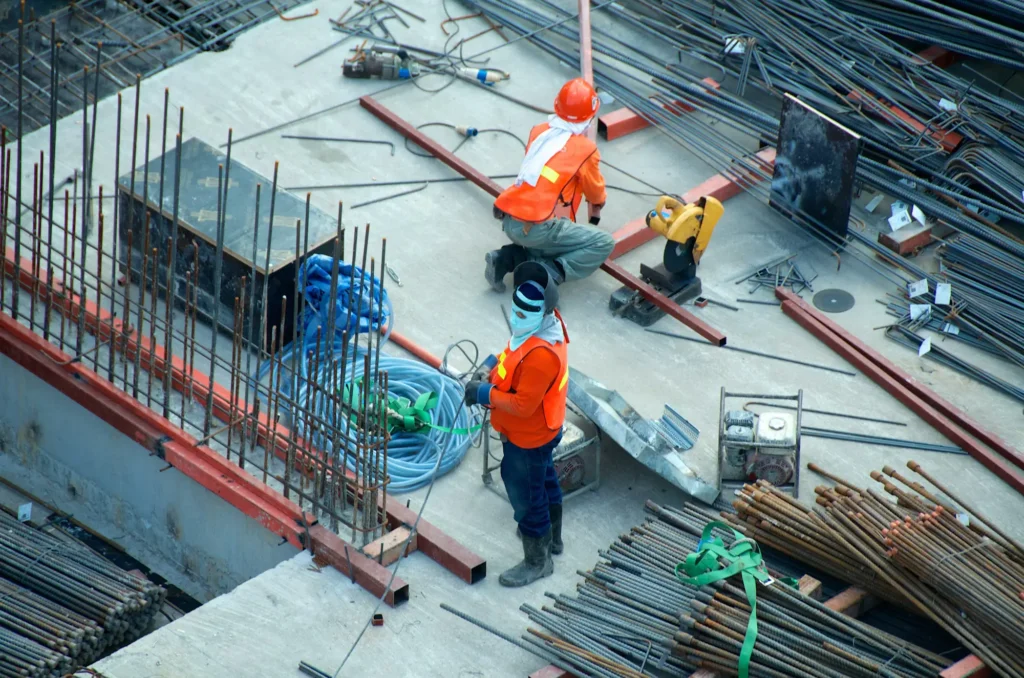
Setting a Realistic Budget with Pre-Construction Estimating
Pre-construction cost estimating ensures that the budget is realistic and achievable by breaking down all potential costs. It includes labor, material, and other necessary resources. Scope validation during this stage ensures that the project is priced accurately, eliminating surprises later. Early-stage estimates allow for proper financial planning and give stakeholders clarity on what is required, ensuring the project stays within its budget.
Managing Risks and Avoiding Cost Overruns
Without proper estimating, risks such as fluctuating material costs, labor shortages, and scope changes can significantly impact the budget. Pre-construction estimating helps identify and mitigate these risks by forecasting potential issues in advance. It also involves contingency planning, which allocates funds to handle unforeseen expenses, preventing cost overruns and maintaining budget stability throughout the project.
Streamlining Tendering and Procurement
Accurate pre-construction estimates play a crucial role in the tendering and procurement process. They ensure all parties involved—contractors, subcontractors, and suppliers—are aligned with the project budget. This clarity leads to competitive and transparent bids, making it easier to manage costs and avoid financial discrepancies during the build phase. Pre-tender cost reviews ensure that the project stays on track financially, reducing the risk of confusion or misaligned pricing.
The Key Components of Pre-Construction Estimating
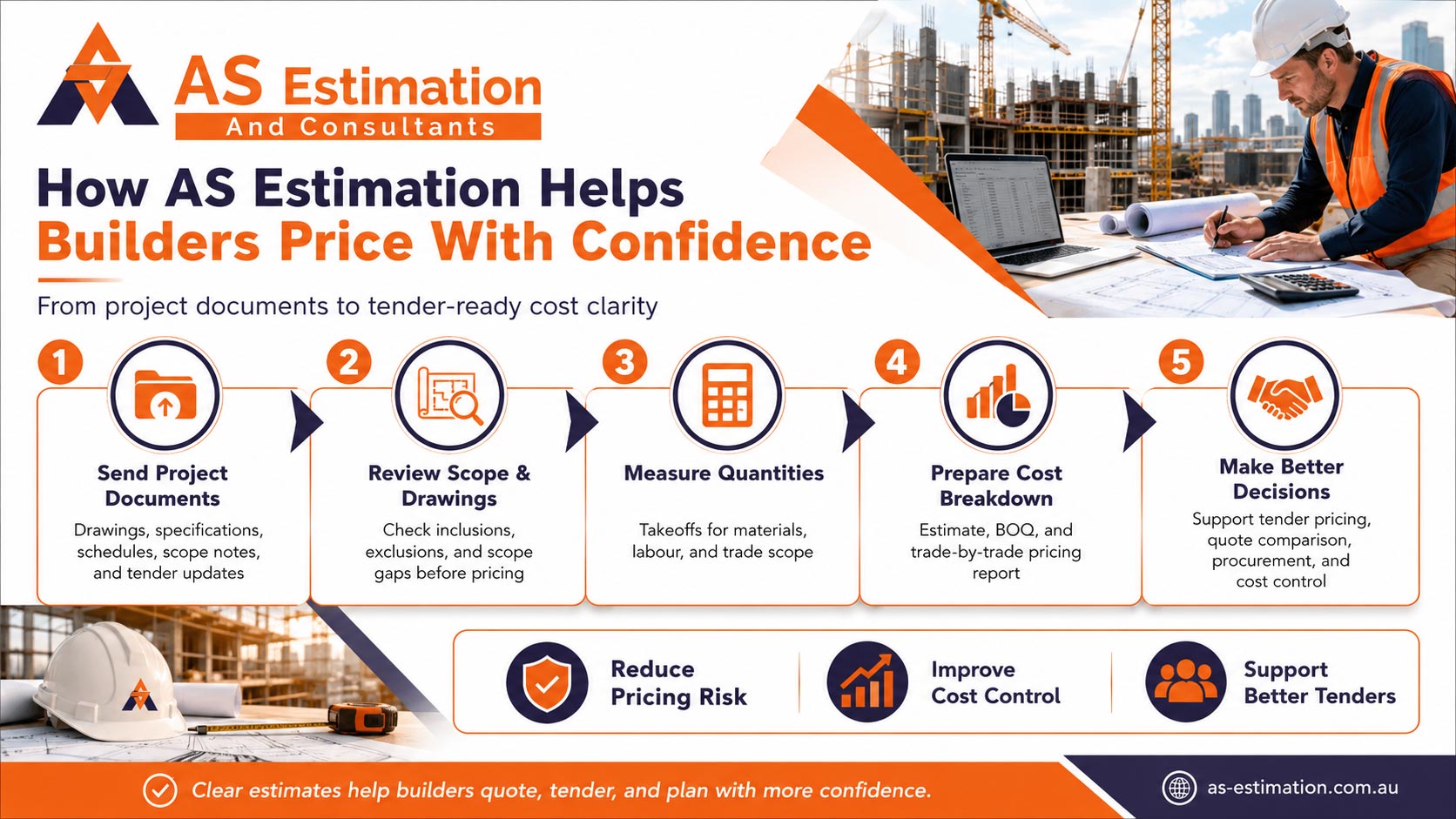
Pre-construction estimating services include several critical components like scope validation, quantity takeoff, risk mitigation, and financial forecasting. These elements ensure that the project is financially sound and that potential issues are addressed before construction begins. Each step is vital in creating an accurate and feasible budget.
Quantity Takeoff and Scope Validation
Quantity takeoff helps define the exact materials and resources needed for the project. Breaking down the labor and material requirements provides clarity on costs, ensuring an accurate budget. Scope validation ensures that all project elements are priced correctly before work begins, avoiding surprises during construction.
Key Benefits:
- Detailed quantity takeoff provides a clear material estimation.
- Scope validation prevents overpricing or underpricing of project elements.
- Early-stage cost estimates give an accurate financial overview.
Risk-Based Estimating and Contingency Allocation
Risk-based estimating identifies potential project risks, such as cost fluctuations or delays, and allocates contingency funds accordingly. By planning for these risks early on, you can maintain budget control and reduce the likelihood of overruns. This approach helps ensure financial stability throughout the project.
Key Benefits:
- Contingency allocation provides a cushion for unforeseen costs.
- Risk identification and mitigation ensure that the budget remains intact.
- A well-planned financial strategy avoids unexpected financial strain.
This section outlines the vital components that pre-construction estimating includes, ensuring that the project is financially prepared from the outset.
The Key Components of Pre-Construction Estimating
Pre-construction cost estimating plays a crucial role in managing your project’s budget. It provides cost certainty, reduces risks, and ensures smooth project delivery. By using services like financial forecasting, independent estimating, and procurement planning, you can avoid unexpected costs and achieve better control over your project’s financial health.
Cost Certainty and Financial Control
Pre-construction estimating gives you cost certainty before the build starts. By establishing a clear budget and forecasting potential costs, clients can manage financial expectations and avoid surprises. Accurate estimates and procurement cost planning ensure that funds are allocated efficiently, keeping the project on track without overspending.
Enhancing Tender Readiness with Pre-Construction Estimating
Accurate pre-construction estimates provide all the financial and technical details necessary for successful tender submissions. This increases accuracy, enhances confidence, and ensures that all contractors are aligned with the project’s financial framework. A clear cost estimate also simplifies the bidding process, reducing miscommunications and ensuring fair competition.
Real-World Applications of Pre-Construction Estimating
Residential or commercial pre-construction estimating services have proven invaluable in real-world construction projects. By accurately forecasting costs and managing resources, many projects have seen cost savings, improved efficiency, and on-time completion. Real-world case studies demonstrate how these services lead to better project outcomes, ensuring financial stability and success throughout the build.
Successful Project Case Studies
- Cost Savings Achieved: Pre-construction estimating helped identify material cost-saving alternatives, reducing overall project expenses.
- Project Efficiency: Accurate estimates allowed for better scheduling, preventing delays and optimizing resource use.
- Budget Control: Scope validation upfront prevented unexpected costs, ensuring the project stayed within the planned budget.
- Risk Mitigation: Risk-based estimating allowed for contingency funds, addressing unexpected project challenges without going over budget.
- Tender Accuracy: Precise estimating led to more accurate bids, ensuring fair competition and better contractor alignment.
- On-Time Completion: With clear cost forecasting, the project was completed on schedule without financial setbacks.
These examples show the tangible benefits pre-construction estimating brings to projects, making them more cost-effective and efficient from start to finish.
FAQs
Pre-construction estimating ensures that your project has a realistic budget by accurately forecasting costs, identifying potential risks, and providing a clear financial roadmap. It helps prevent budget blowouts and delays, ensuring smoother project execution and financial stability.
Pre-construction estimating involves detailed planning and scope validation, which identifies all potential costs upfront. Accurately forecasting labor, materials, and other expenses, it helps ensure that the budget remains accurate, reducing the risk of unexpected costs that could push the project over budget.
Yes! Accurate pre-construction estimates allow for better resource allocation, scheduling, and planning. By knowing the exact requirements for materials and labor, it ensures that the project runs smoothly without delays, which helps optimize time and resources, making the entire construction process more efficient.
In real-world projects, pre-construction estimating has led to cost savings by identifying affordable material alternatives, improved project efficiency by streamlining resource use, and prevented financial issues by managing risks and allocating contingency funds. These successes ensure that projects are delivered on time and within budget.
Pre-construction estimating plays a critical role in the tender process by providing accurate and detailed cost forecasts. This allows contractors to submit precise, competitive bids, ensuring transparency and fair competition. It also helps prevent misalignment between contractors and project owners regarding budget expectations.
Conclusion
Investing in pre-construction estimating services is crucial for ensuring the success of your construction project. By providing cost certainty, accurate financial forecasting, and effective procurement planning, these services help prevent budget overruns and improve overall project efficiency. Accurate pre-construction estimates lead to more predictable outcomes, cost savings, and smoother project delivery.
For your next project, consider partnering with professional estimating services. They not only guarantee that your budget is accurate from the start but also contribute to long-term project success by mitigating risks and ensuring financial stability.
Don’t leave the financial planning to chance—make the smart investment in pre-construction estimating services today to ensure the success of your next construction project.